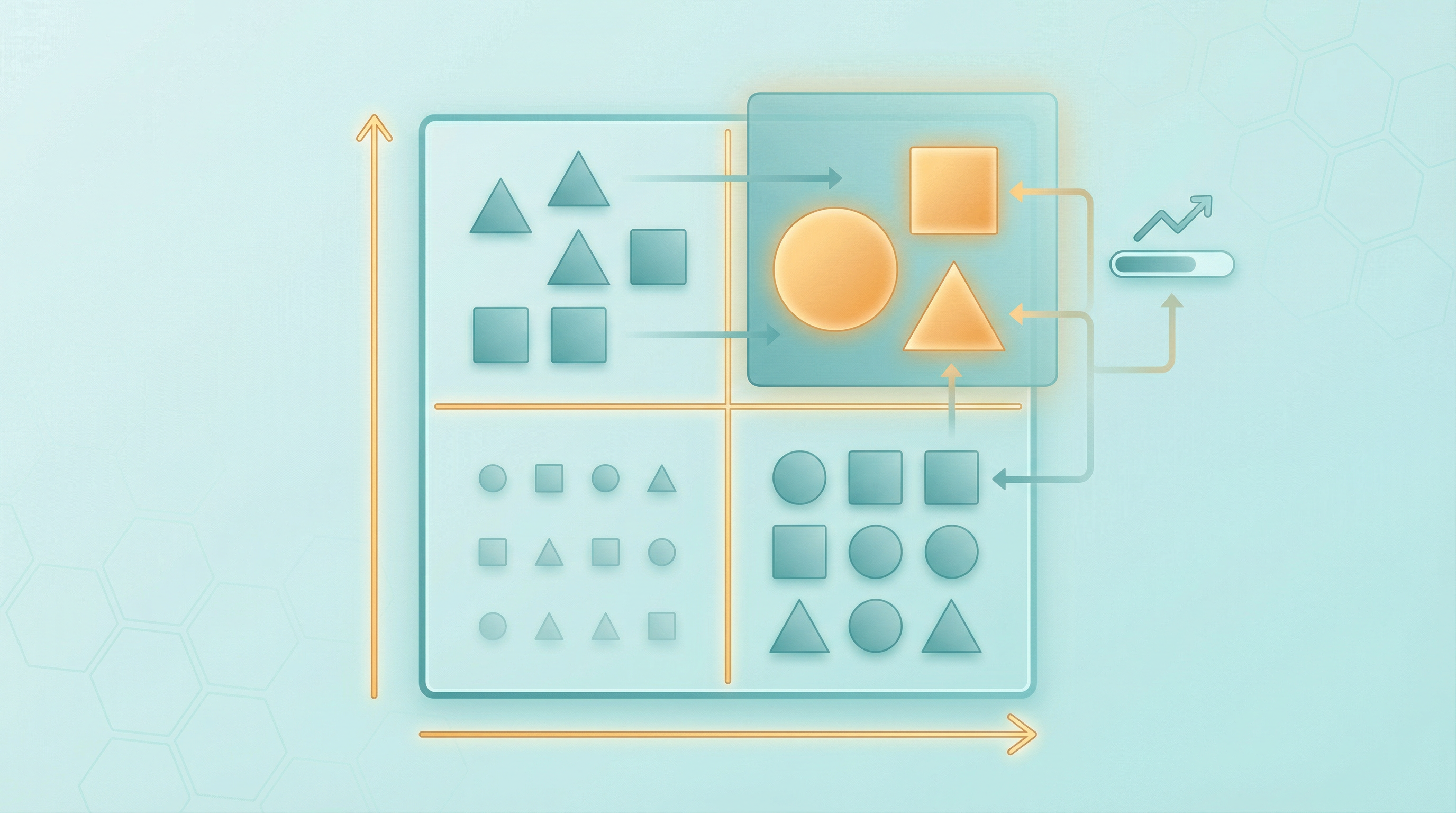

A product roadmap is only as good as the data behind it. Too many teams build roadmaps based on the HiPPO (Highest Paid Person's Opinion) or the loudest customer. A feedback-driven roadmap, by contrast, is built on aggregated customer intelligence — ensuring you build what your market actually needs.
Why Feedback-Driven Roadmaps Win
Traditional roadmaps suffer from three critical flaws:
- Recency bias: The last feature request you heard gets prioritized over patterns emerging from hundreds of requests
- Squeaky wheel syndrome: Enterprise customers with direct access to your team dominate the roadmap
- Disconnection from reality: Roadmap items don't trace back to specific customer needs, making it impossible to measure impact
A feedback-driven roadmap solves all three by creating a direct, traceable link between customer feedback and product decisions.
The Feedback-to-Roadmap Pipeline
Step 1: Collect Feedback Systematically
Set up dedicated feedback boards for different product areas. Use in-app widgets, email integrations, and API connections to capture feedback from every channel. The goal is to make it effortless for customers to share their needs.
Step 2: Let AI Organize and Prioritize
Once feedback flows in, AI takes over the heavy lifting. Duplicate detection consolidates similar requests. Sentiment analysis flags urgent issues. Auto-categorization routes feedback to the right boards. And weighted scoring surfaces the highest-impact opportunities.
Step 3: Connect Feedback to Roadmap Items
Each roadmap item should link back to the feedback that inspired it. When you mark a feature as "Planned," every customer who requested it should be notified. This closes the feedback loop and builds trust.
Step 4: Use Status-Driven Workflows
Your roadmap should automatically reflect the current state of development. When a feedback post moves from "Under Review" to "In Progress," it should appear in the corresponding roadmap column. No manual updates needed.
Step 5: Measure and Iterate
After shipping a feature, track adoption rates and satisfaction scores. Did the feature solve the problem customers described? Use this data to refine your prioritization model over time.
Best Practices
- Make your roadmap public (or at least partially public) to build transparency and trust
- Update statuses regularly so customers see progress
- Include "Why" context for each roadmap item — link to the feedback that drove the decision
- Review and reprioritize monthly as new feedback data comes in
- Celebrate shipped features with changelog entries that reference the original feedback
The Bottom Line
A feedback-driven roadmap isn't just a planning tool — it's a trust-building mechanism. When customers see their feedback reflected in your product direction, they become advocates. When they don't, they become churners.