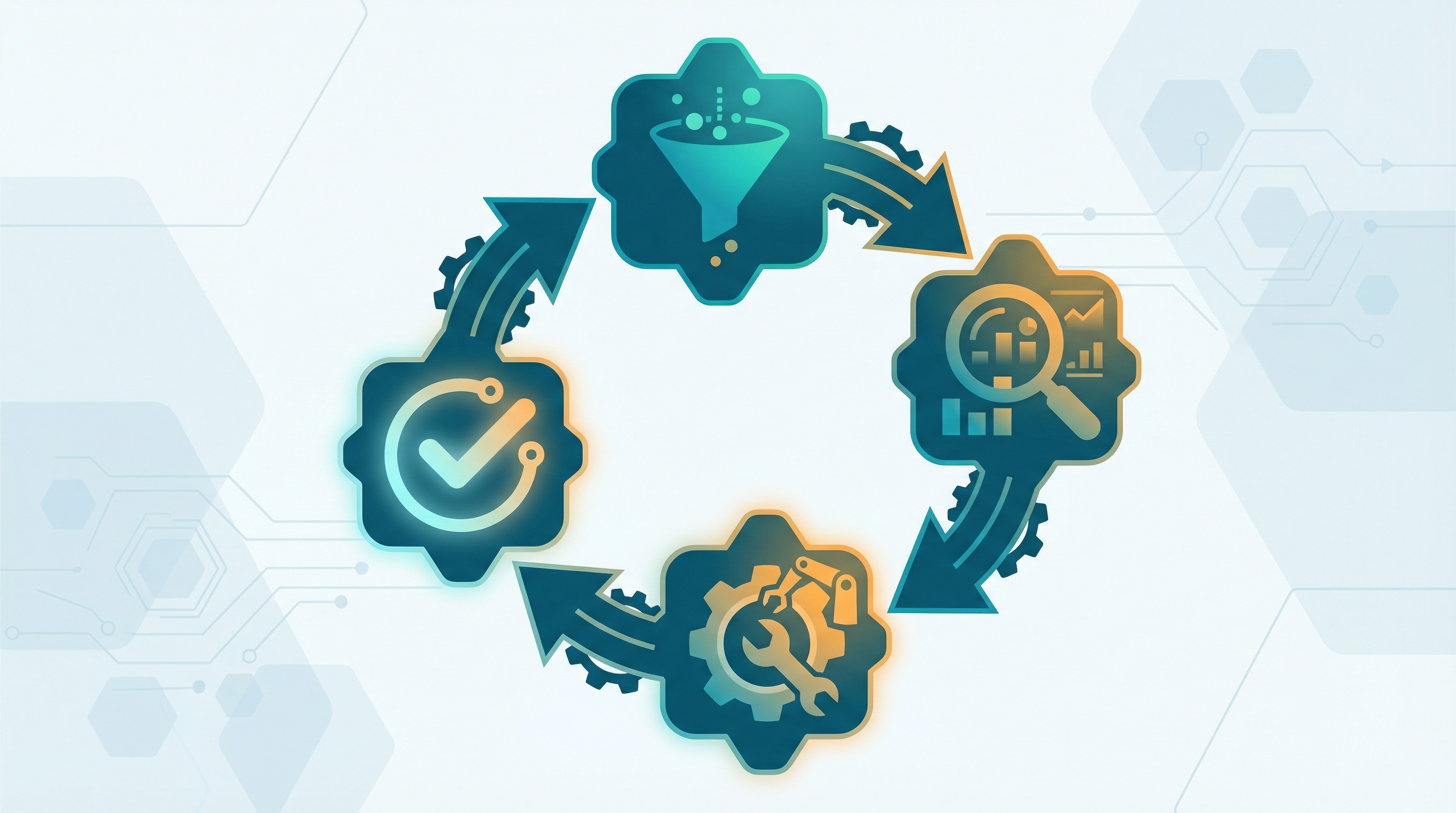

A public changelog is more than a list of updates — it's a communication channel that builds trust, reduces support tickets, and drives feature adoption. Here's how to make yours great.
Why Public Changelogs Matter
Trust Building
When customers can see a steady stream of improvements, they trust that the product is actively maintained and evolving. This is especially important for SaaS products where customers are paying ongoing subscriptions.
Support Ticket Reduction
"When is feature X coming?" is one of the most common support questions. A public changelog with a connected roadmap answers this question before it's asked, reducing support volume by 15-25%.
Feature Adoption
Many features go unused simply because customers don't know they exist. A well-written changelog entry with screenshots and use cases drives adoption far more effectively than in-app tooltips.
Anatomy of a Great Changelog Entry
1. Clear, Benefit-Focused Title
Bad: "Updated API endpoint response format"
Good: "API responses are now 3x faster with streamlined data format"
2. Context and Why
Explain why you made this change. Link back to the customer feedback that inspired it. This closes the feedback loop and shows customers you listen.
3. What Changed
Be specific about what's new, what's improved, and what's fixed. Use categories like "New," "Improved," and "Fixed" for scannability.
4. Visual Evidence
Include screenshots, GIFs, or short videos showing the change in action. Visual content increases engagement by 80%.
5. Call to Action
Tell users what to do next: "Try it now," "Update your settings," "Check out the new dashboard."
Changelog Cadence
- Weekly: For fast-moving teams shipping frequently
- Bi-weekly: The sweet spot for most SaaS products
- Monthly: For enterprise products with longer release cycles
Consistency matters more than frequency. Pick a cadence and stick to it.
Advanced Changelog Strategies
Segmented Notifications
Not every update matters to every user. Segment your changelog notifications by:
- User role (admin vs. end user)
- Plan tier (features available on their plan)
- Product area (only notify about areas they use)
Feedback-Linked Entries
Every changelog entry should link back to the feedback that inspired it. This creates a virtuous cycle: customers submit feedback → you build it → they see the result → they submit more feedback.
Scheduled Publishing
Write changelog entries as you ship, but publish them on a consistent schedule. This creates anticipation and gives you time to batch related updates into cohesive narratives.